
A beautifully crafted soy wax candle can transform the atmosphere of a room within minutes. The gentle flicker, the gradual release of fragrance, the warmth it adds to an ordinary evening – these are the small pleasures that make candles such a consistently beloved part of home life. But as with any product involving an open flame, getting the most out of your candle requires a little knowledge and a few simple habits. Candle safety is not about anxiety or restriction; it is about understanding how your candle works so that every burn is as enjoyable, long-lasting, and safe as possible. This guide covers everything you need to know, from the very first light to the final moments of your candle’s life.
Why Candle Care Matters More Than You Might Think
Many people assume that burning a candle is entirely straightforward – you light it, enjoy it, and blow it out when you are done. And whilst that is broadly true, the small details in between make an enormous difference to how your candle performs, how long it lasts, and how safely it burns. Poor candle care is one of the most common reasons people find themselves disappointed with a candle that tunnels through the centre, smokes unexpectedly, or burns unevenly. The good news is that with just a handful of simple practices, all of these issues are entirely avoidable.
Soy wax candles, in particular, reward a little attention. Because soy wax has a lower melting point than paraffin, it behaves slightly differently and benefits from a specific approach to burning and maintenance. Understanding these differences will help you get the very best from every candle you own.
The First Burn: Getting It Right From the Start
The single most important burn your candle will ever have is the first one. Soy wax has what is known as a ‘memory’ – meaning that the wax will tend to melt to the same diameter on every subsequent burn as it did on the first. If you extinguish your candle before the melt pool has reached the edges of the container on that initial burn, you risk creating a tunnel down the centre of the candle that will persist for its entire life, wasting a significant amount of wax and fragrance in the process.
For the first burn, allow your candle to remain lit until the melt pool extends fully to the edges of the jar – this typically takes between two and four hours depending on the size of your candle. This single step sets up every future burn for success. Our detailed guide on how to burn soy candles properly walks through this process in full, along with everything else you need to know about getting the most out of each burn session.

Wick Trimming: The Habit That Changes Everything
If there is one candle care habit that makes the greatest overall difference to performance and safety, it is wick trimming. Before every single burn – including the very first – your wick should be trimmed to approximately five millimetres in height. A wick that is too long will produce a larger, less controlled flame that generates excess heat, creates soot, and causes the candle to burn through its wax far more quickly than it should. You may also notice the flame flickering dramatically or producing a faint smell of smoke rather than fragrance – both signs that the wick needs attention.
Trimming is simple and takes only a few seconds. A dedicated wick trimmer gives the cleanest result and is a worthwhile investment if you burn candles regularly, though small scissors work perfectly well too. Always trim a cold wick, and remove any trimmed debris from the wax before lighting. For a thorough explanation of why this matters and exactly how to do it, our wick trimming guide covers everything in detail.

Candle Safety Essentials: Burning Responsibly
Candle safety begins with a few straightforward rules that should become second nature for anyone who burns candles regularly. These are not complicated, but they are genuinely important.
Always place your candle on a stable, heat-resistant surface well away from draughts, curtains, soft furnishings, and anything else that could catch or be damaged by heat. Never burn a candle near an open window where a sudden breeze could cause the flame to behave unpredictably. Keep candles out of reach of children and pets, and never leave a burning candle unattended in a room – particularly overnight or when leaving the house.
It is also important never to burn a candle for longer than four hours at a stretch. Beyond this point, the wick can become destabilised, the jar can overheat, and the quality of the burn deteriorates noticeably. Always allow your candle to cool for at least two hours before relighting. When your candle has burned down to the last ten millimetres of wax, it is time to retire it – continuing to burn below this level can cause the jar to overheat and may damage the surface it is resting on. Our comprehensive candle care & safety guide is an excellent reference to keep bookmarked for all of these fundamentals.
How to Extinguish a Candle Safely
How you put a candle out matters just as much as how you light it. Blowing out a candle is the most common method, but it is also the least ideal – it can send hot wax spattering, pushes the wick off-centre, and almost always produces a trail of smoke that lingers in the room and can temporarily mask the fragrance you have been enjoying. A wick dipper or snuffer is a far better option, extinguishing the flame cleanly without any of these side effects.
After extinguishing, always recentre the wick whilst the wax is still soft, and check that no debris has fallen into the melt pool. These small steps take seconds but make a genuine difference to the next burn. For a full breakdown of the best methods and why they matter, take a look at our guide to how to extinguish candles safely.
Making Your Candle Last Longer
A high-quality soy wax candle is a small investment in your home environment, and with the right approach it will reward you with many more hours of fragrance than you might expect. Beyond the first burn rule and regular wick trimming, there are several other habits that contribute meaningfully to candle longevity. Avoiding draughts during burning, keeping burn sessions within the recommended time window, and never burning in direct sunlight all help to preserve both the wax and the fragrance over time.
There is a great deal more practical advice on this topic in our post on how to extend the life of your soy candle, which is well worth reading if you want to get the maximum value from every candle you own.

Storing Your Candles Correctly
Proper storage is something that is frequently overlooked, yet it has a significant impact on fragrance quality and appearance. Soy wax is sensitive to temperature fluctuations and direct light, both of which can cause discolouration, surface changes, and a weakening of the scent throw. Candles should be stored in a cool, dry place away from direct sunlight and strong heat sources – not on a sunny windowsill or near a radiator, as tempting as it might be to display them there.
If you tend to buy candles in advance or like to build up a small collection, keeping lids on when candles are not in use helps to protect the wax surface and preserve the fragrance. Our dedicated post on how to store candles goes into further detail on best practice for both short and longer-term storage.
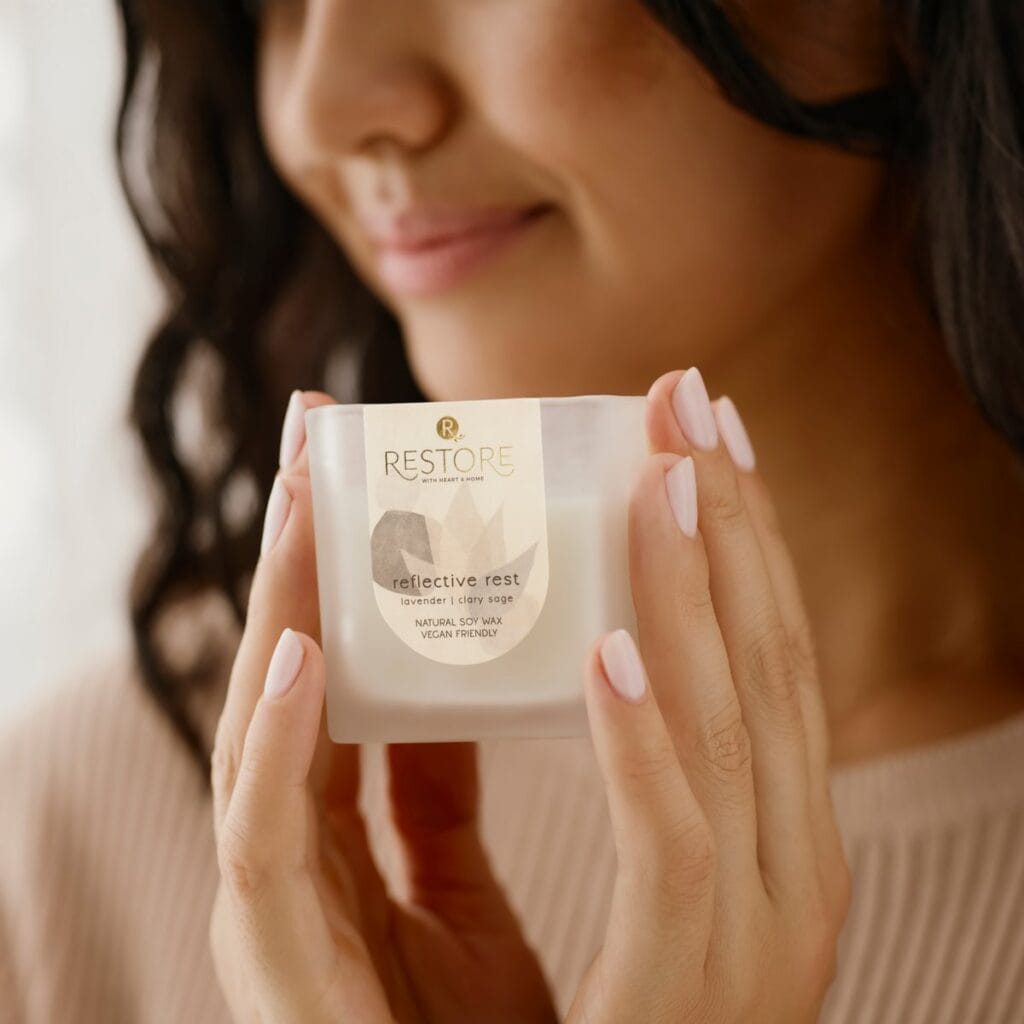
Getting the Most Out of Every Candle Experience
Candle care ultimately comes down to treating your candle as something worth taking care of rather than simply using up. When you approach each burn with a little intentionality – trimming the wick, allowing a full melt pool, choosing the right environment, extinguishing cleanly – the difference in performance is immediately noticeable. The fragrance is stronger, the burn is cleaner, and the candle lasts significantly longer.
For a broader look at how to elevate your candle experience from start to finish, our guide to getting the most out of your candle experience brings together the best of everything in one place. Whether you are new to soy wax candles or a long-time enthusiast, it is a genuinely useful read that will change how you approach every burn.
A Quick Reference Candle Care Checklist
To keep things simple, here is a brief checklist of the most important candle care habits to build into your routine: trim the wick to five millimetres before every burn; allow the melt pool to reach the edges on the first burn; never burn for more than four hours at a time; always burn on a stable, heat-resistant surface away from draughts and flammable materials; use a snuffer or wick dipper rather than blowing out the flame; stop burning when ten millimetres of wax remains; and store candles in a cool, dry place out of direct sunlight. Follow these simple steps and your candles will reward you with the cleanest, most fragrant, and most pleasurable burns possible – safely, every time.